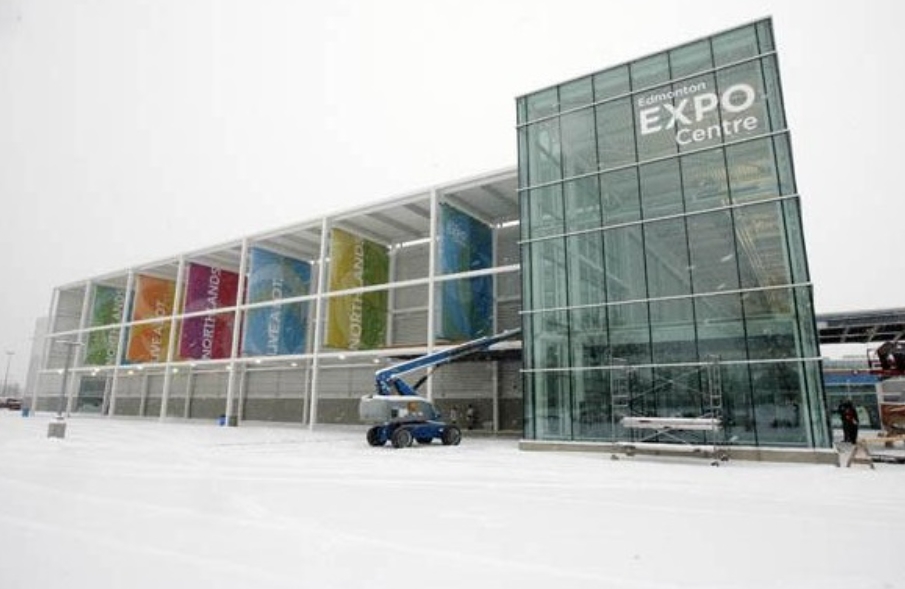

欧洲-俄罗斯 俄罗斯莫斯科红宝石展览中心 Expocentre at Krasnaya Presnya
主办单位:英国ITE展览集团
举办周期:1年1届会展面积:58,000平方米展商数量:1,300家观众数量:33,000人
已经结束
同场举办
同期会展
暂无同场会展...
暂无同期会展...
会展介绍
Exhibition Introduction:
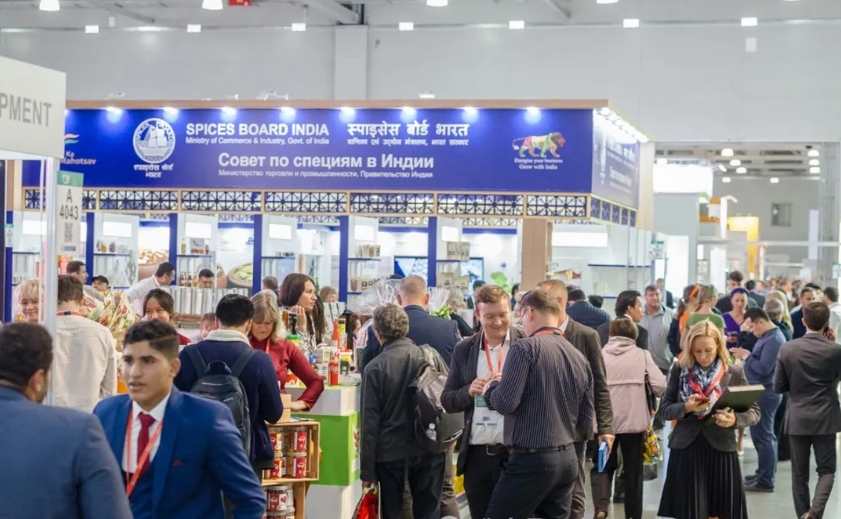
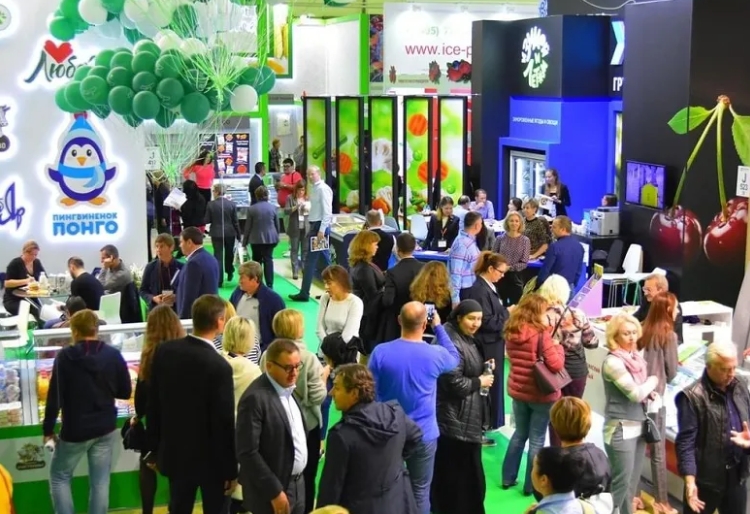
World Food Moscow is a prestigious exhibition in the food and beverage industry in Russia and the CIS region, organized by the famous British exhibition company ITE, and has been successfully held for 32 sessions. The exhibition was supported by the Ministry of Agriculture of Russia and the Moscow City Government. With the increasing prosperity of the Russian food industry, the scale of the Moscow International Food Exhibition and the number of professional visitors are increasing year by year, which continues to reflect the latest situation of the fast-growing local food market in Russia.
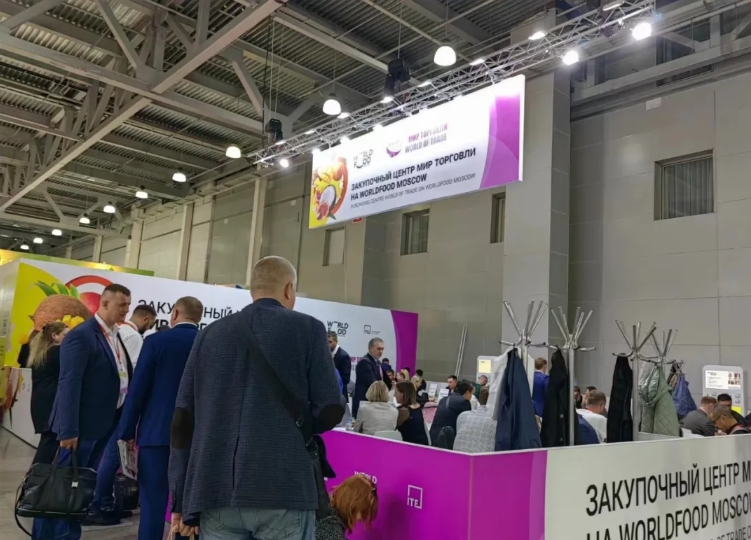
Professionalism: Food Russia is a platform for negotiation and signing agreements with retailers, distributors, wholesalers and restaurants in Russia. It attracts a large number of wholesalers, distributors, retailers and caterers. Exhibitors are divided into 10 main product categories, ensuring that visitors can easily find the products they are interested in and meet with manufacturers. For decades, Foodtrade Moscow has helped Russian and international producers to access business opportunities in the food market, providing an excellent platform for many industry leaders in Russia today to showcase their innovations and developments. With the increasing prosperity of the Russian food industry, the scale of the Moscow Food Exhibition and the number of professional visitors are increasing year by year, which continues to reflect the new situation of the fast-growing local food market in Russia.
Great market opportunity: Russia has a large food and beverage market and is the ninth most populous country in the world, with 146 million people. Russia banned imports of staple food products from the European Union, the United States, Norway, Canada and Australia in 2014, but has been trying to fill the supply gap since then, according to WORLD FOOD MOSCOW in Moscow. In 2017, the country spent $27.9 billion on imported food, an increase of 11.4% from 2016 levels. For suppliers, this is a real opportunity to seize a huge market and a perfect platform for Chinese food manufacturers, exporters to negotiate and sign agreements with Russian food retailers, distributors, restaurants.
Scope of Exhibits: Fish and seafood: fresh, refrigerated and frozen, salted fish, smoked fish, caviar, canned and semi-finished products, seafood, raw and aquaculture products, fish and seafood production equipment, etc.; Cheese and dairy products: milk and cream, canned milk products, curd products, butter, cheese and ice cream, etc.; meat, poultry; and eggs: fresh poultry and game, meat by-products, pre-packaged meats, sausages, bacon, deli meats, semi-finished products, eggs and egg products, etc.; Frozen, convenient and ready-to-eat foods: frozen meat and fish products, dough, frozen vegetables, fruits and berries, ready-to-eat foods, sandwiches and salads, etc.; Healthy and organic foods: organic and biological products, honey, baby, sports, diet and diabetic foods, gluten-free products, dietary supplements, etc.; Fruits and vegetables: fresh and processed vegetables, fruits, berries and mushrooms, etc.; Canned food: meat, fish, milk, fruits and vegetables, etc.; Fats, oils and sauces: vegetable oils, mayonnaise, ketchup, sauces, fats and margarine, spreads, etc.; Groceries: cereals, flour, pasta, sugar, starch, spices, seasonings, salt, snacks, potato chips, croutons, dried seafood, nuts, dried fruits, breakfast cereals, instant foods, concentrated foods and additives, etc.; Confectionery and bakery: confectionery, chocolate and cocoa products, oriental confectionery, halva, jams, marshmallows, bakeries, flour and dietary confectionery, frozen and semi-finished products, chewing gum, ingredients and food additives, New Year's gifts, etc.; Tea & Coffee: Loose & Pressed Tea, Tea Drinks, Whole Wheat, Ground, Freeze-Dried & Instant Coffee, Coffee Substitutes & Coffee Drinks, etc.; Soft drinks: low-alcohol and powdered beverages, fruit juices and nectar, mineral water, etc.; Alcoholic beverages: wine, beer, low-alcohol beverages and spirits, etc.; Halal food: food that is allowed by Islam and prepared under a certain quality control system that prohibits the use of genetically modified ingredients and many food additives, among others; Non-food: packaging, equipment and e-commerce services, logistics, transportation and financial services, software, pet food, food advertising, cooking and storage goods, services and technology, workwear and canteen linen, household chemicals and many other products, etc.